Itching to learn more about Lice?
Lice infestations can knockdown more than just a fencepost or two. With stock spending more time scratching rather than grazing, weight gains can take a hit - costing you winter production.
Also, lousey cattle can look greasy and unappealing at the saleyards, resulting in reduced sale prices.
This winter, protect your infrastructure, maintain weight gains, and keep your cattle coats healthy with an effective lice control plan.
Lice spend their entire life cycle on stock, surviving only a few days off the animal.
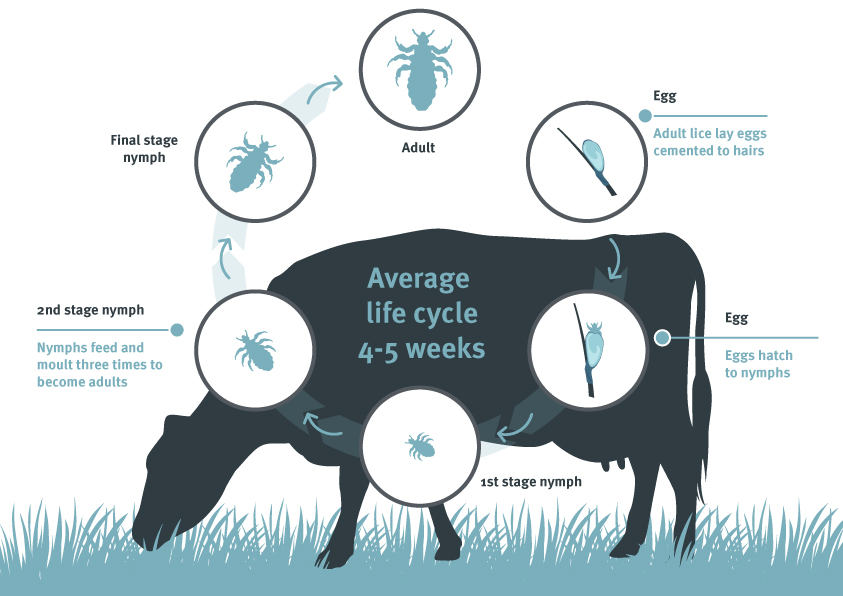
Eggs are laid on the hair shaft and develop through three nymph stages before becoming adults. This process takes around 4-5 weeks and numbers can build relatively rapidly when conditions are ideal.
Favouring skin temperatures between 33-37 degrees, winter coats provide the perfect environment for lice to thrive and therefore lice populations are highest in the colder months.
Summer coats provide little protection and skin temperatures on cattle rise well above 37 degrees, halting egg laying, meaning lice are rarely a summer issue.
In New Zealand, there are 4 main lice species that affect cattle: 1 biting louse and 3 sucking lice.
The 2 most common species tend to lie on the backline, inside of the legs and around the neck, and the less common species are typically found around the ears, poll, nose and tail base.
Biting Lice have mouthparts adapted for chewing, allowing them to feed on hair shafts and skin debris.
As they do not suck on any bodily fluids, they are often not killed by injectable drenches and a pour on is the most successful method in ridding these.
Sucking Lice have piercing mouthparts that allow them to suck on tissue fluid and blood so they will be killed when stock are treated with injectable drenches.
Regardless of whether the lice bite or suck, their feeding causes irritation resulting in rubbing which causes not only damage to the hide but also to your infrastructure.
Affected cattle develop a greasy-haired appearance as blood-engorged lice and their faeces are crushed during rubbing and the skin wounds that result from lice feeding and cattle scratching ooze blood and serum. This, combined with damage to the hair shafts, leaves cattle with the typical lousey appearance.
With populations highest in winter and lowest in summer, late autumn is the best time for treatment as it knocks numbers down early.
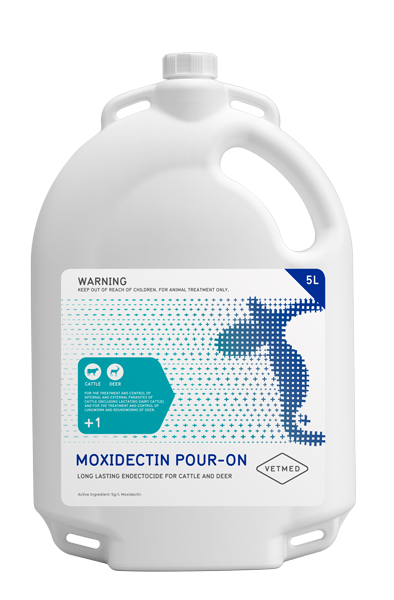
Some drenches, such as Vetmed Moxidectin pour-on, provide concurrent activity against both sucking and biting lice, making them a great option if cattle also need treatment for internal parasites.
Since all animals need to be treated for lice treatment to be effective, and blanket drenching is typically not recommended, especially for adult cattle, a lice-specific pour-on is a better choice for cattle not needing a drench.
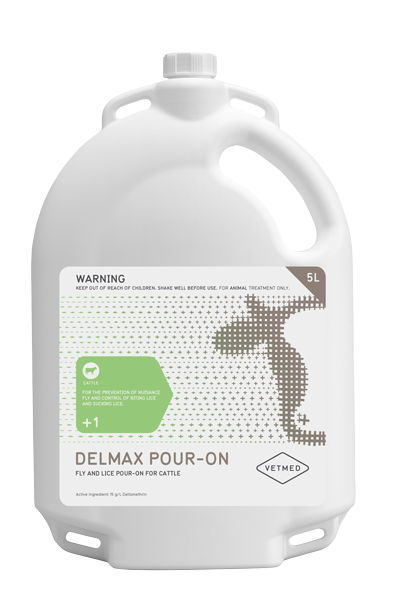
Vetmed’s Delmax targets both biting and sucking lice, providing protection for up to 6 weeks.
In an easy-to-use pour on with a 5mL per 100kg dose rate and a nil milk withholding, Delmax is an easy and effective choice for lice prevention and treatment this season.
So, check out Vetmed Delmax to keep your fenceposts standing and your stock thriving this winter.