
Animal lice infestation and treatment options
Lice are small, flat bodied, wingless insects.
They have three distinct body parts; Head, thorax and abdomen, and three sets of legs that are adapted for clinging onto hair.
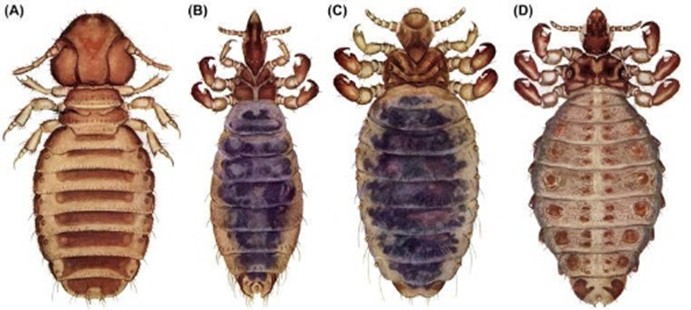
In New Zealand we have two main types of lice:
1. Mallophaga/Biting Lice
Mouth parts are adapted for chewing to allow them to feed on skin debris and the outer layers of the hair shaft.
In New Zealand, we have only one cattle biting Louse; Bovicola bovis. (see A) This louse is commonly found along the backline and upper legs of the animal.
2. Anoplura/Sucking Lice
Mouth parts are adapted for puncturing skin to allow them to feed on tissue fluids and blood.
In New Zealand, we have three types of sucking lice:
1. Linognathus vituli (see B above)
This most common louse is most commonly found along the backline and upper legs.
2. Haematopinus eurysternus (see C above)
This less common louse is usually found around the head, ears and tail base of the animal.
3. Solenoptes capillatus – rare (see D above)
This louse is rare, usually found around the head, ears and tail base of the animal.
What do lice do?
Biting lice feed on skin debris and the hair shaft, whereas sucking lice have piercing mouthparts that allow them to feed on tissue fluid and blood.
Common signs of lice infestation
- Irritation from feeding results in rubbing which can cause loss of hair on animals, and potential damage to fences and yards from use as a scratching post.
- Cattle develop a greasy haired “lousey” appearance
- Damage to hides at slaughter and poor presentation at sale yards
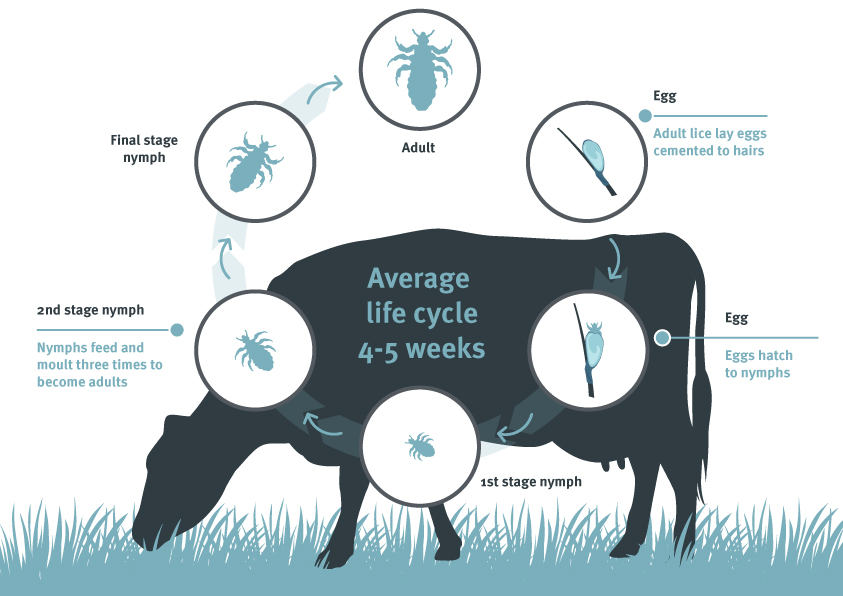
Life cycle and ideal conditions
- Lice complete their entire life cycle on their host and favour winter when cattle skin temperatures are 33-37˚C. Egg laying ceases at temperatures >37 and as the summer coat doesn’t offer much shade, lice numbers are lowest in summer.
- Condition and nutrition of the host is also a factor in lice populations with poor condition cattle more likely to have higher louse infestation. This is likely due to lack of grooming and their rough coat condition.
- Adults can lay up to 6 eggs per day (sucking lice lay more than biting).
Treatment options for lice on animals
The entire lice life cycle is completed on the animal, therefore:
- ALL animals need to be treated
- If possible, moving treated animals to an area where there have been no cattle for >5 days following treatment reduces the chance of reinfestation. Lice can only survive a few days off their host.
Louse populations are highest in winter, therefore:
- Treat early in autumn to reduce numbers going into winter (if the challenge is high: treat again in early spring to knock down winter numbers)
Treatments won’t kill eggs, so if heavy infestation is present, a repeat of treatment in 6-8 weeks may be required.
1. Delmax Pour-On
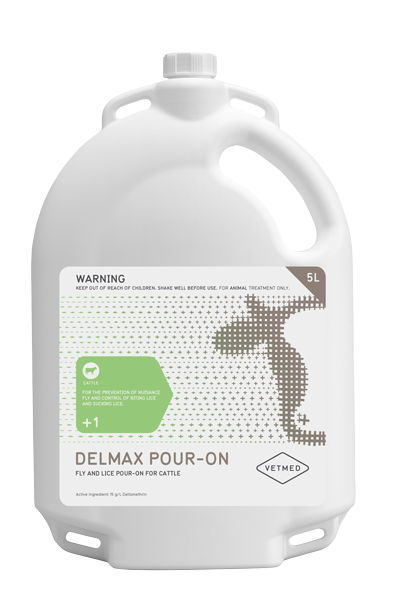
A nil milk withholding pour-on developed to provide 6 weeks protection against biting and sucking lice.
2. Moxidectin Pour-On
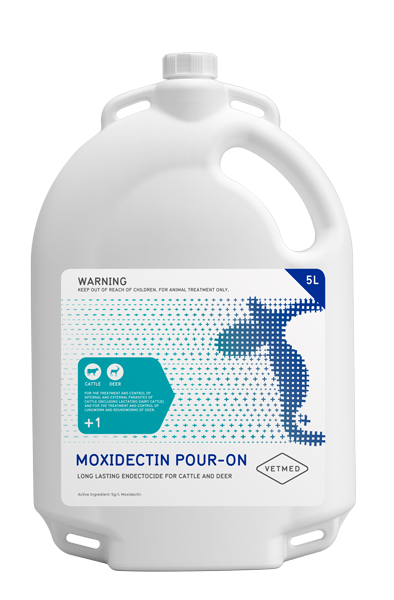
If wanting to target internal worms as well, Moxidectin provides activity against both lice and gastrointestinal parasites in cattle.
We do not recommend blanket drenching of adult cattle and would suggest this is used in a selection of lighter and younger cows, and the remainder of the herd be treated with Delmax.