
Treating parasites pre-lambing
With numerous drench options and resistance cases on the rise, pre-lamb drench decisions can seem complex, but they don't have to be.
A healthy ewe's immune system typically suppresses adult worm egg output, limiting the spread and build-up of parasite numbers. However, during lambing, all ewes experience a drop in immunity, resulting in what is called the periparturient rise (PPR) in egg count.
This starts around two weeks prior to lambing and can last as long as up to eight weeks post-lambing.
In an ideal world, all ewes would be in BCS 3-3.5 and have plenty of feed ahead of them, eliminating the need for pre-lamb drenching. However, not all seasons play in our favour and, even in a good year, and in the best run operations there will be some ewes below BCS 3.0.
Pre-lamb drenching doesn't have to harm your resistance status and when used strategically, alongside other good management practices, can help to minimise the need for drench use in lambs - ultimately reducing your resistance risks.
Refugia can be created by avoiding blanket treatments and targeting lower BCS ewes and multiples, as the PPR is more pronounced in these groups. Drenching these ewes helps limit egg output onto pasture, allowing them to focus more energy on raising healthy lambs rather than fighting parasites.
As every season is different, it is important you consider the feed available ahead of your ewes.
If feed is tight and ewes are grazing right down to where the worm larvae are, the PPR may be more pronounced due to both increased challenge and nutritional stress.
This means in a tough year, with limited feed, a large proportion of ewes may require a pre-lamb drench with only the odd fat single bearing ewe being left un-drenched for refugia.
In a good year, your pre lamb drench could be as simple as drenching the odd light ewe as they come through for pre-lamb vaccinations.
Product choice can be daunting, and your resistance status will likely influence your decision.
Long-acting products are useful in providing protection well into the lambing period, but as they are available only in single or double-active combinations, they need to be used strategically to minimise the risk of resistance.
Using a triple combination drench prior to lambing typically offers a more effective initial treatment while still limiting egg output onto pasture by eliminating adult worm numbers early in the PPR period.
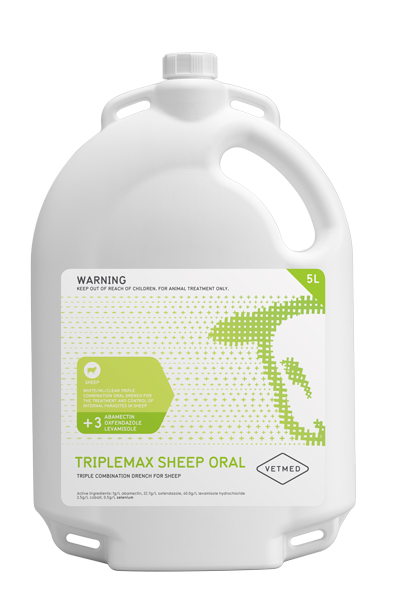
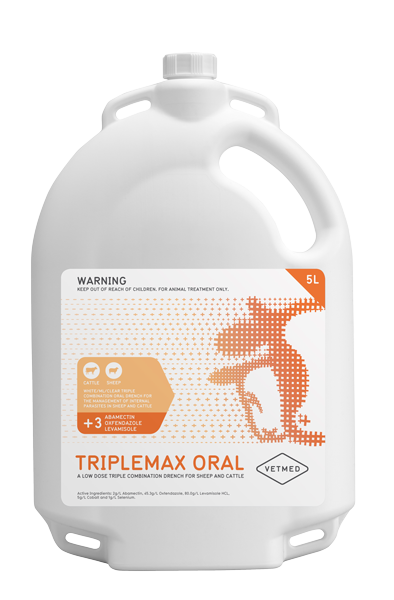
Vetmed offers a triple combination oral drench mineralised with selenium and cobalt and comes in two dose rates to suit your preference.
Both have a 14-day meat withholding so will not affect any early lamb drafts.
Triplemax Sheep: a 1mL/5kg dose
Triplemax Oral: a 1mL/10kg dose
Ultimately, pre-lamb drenching doesn’t have to be complicated.
Just ask yourself:
- Are they light?
- Will they be tight for tucker (feed)?
If you can't address these issues before lambing, a pre-lamb ewe drench will likely be beneficial – not only to the ewes but also their lambs.
To protect your drench efficacy, avoid blanket drenching all ewes and ensure you use an effective drench.