
Barber’s Pole Worms, signs of infection and treatment for livestock.
What does Barber’s Pole Worm do?
Adults and L4 larvae of the barber's pole worm attach to the wall of the abomasum and feed on blood, causing anemia (low red blood cells) and weakness in sheep.
Each adult barber’s pole worm can consume up to 0.05 mL of blood per day, and as few as 500 adults can be lethal to a lamb.
Since immature L4 larvae also feed on blood, clinical signs of infection can appear before FECs rises.
Common signs of Barber’s Pole Worms in animals
Weakness and slow to shift
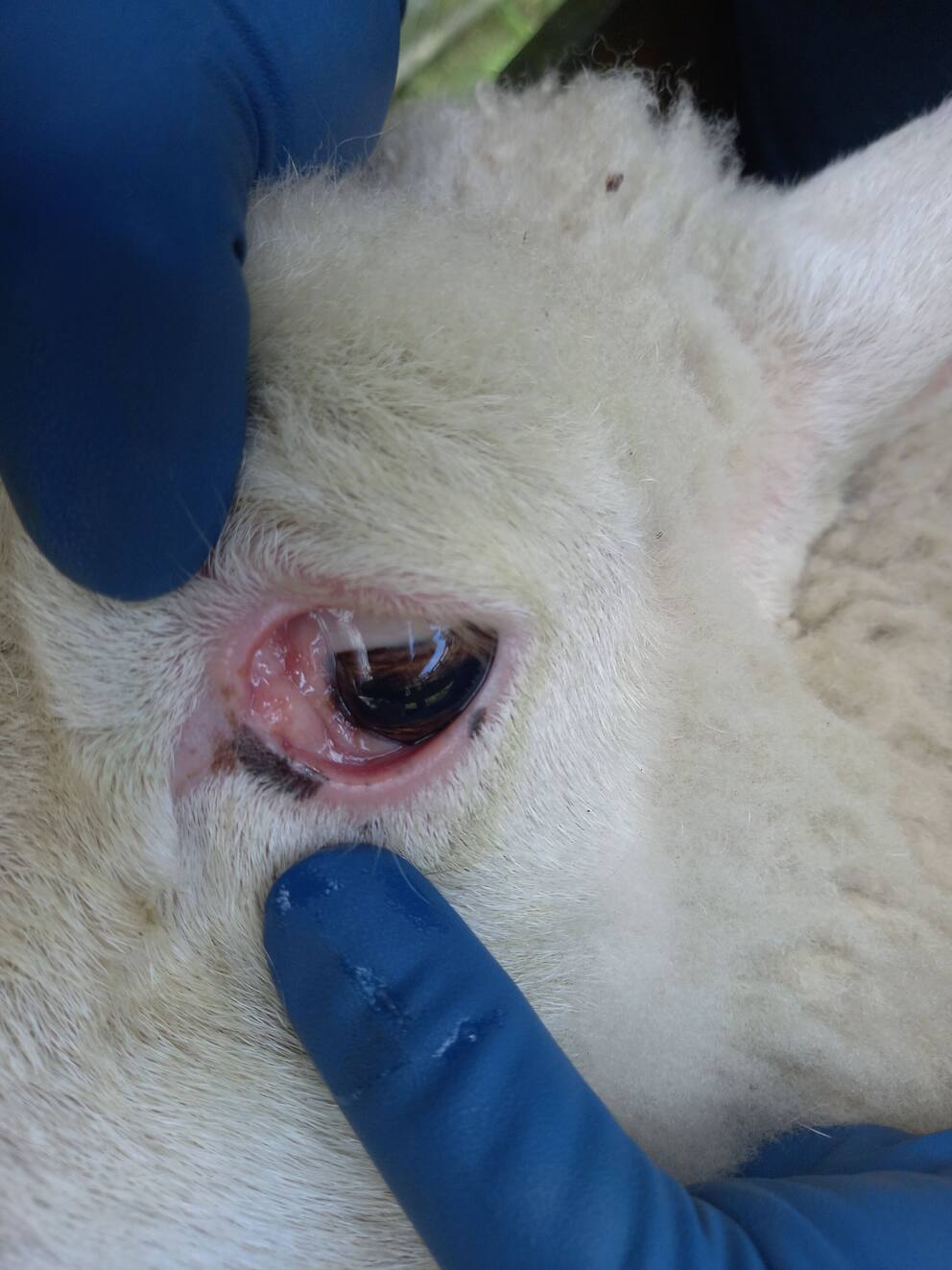
Pale mucus membranes (such as the gums) a sign of low red blood cells
Death can occur suddenly if numbers build rapidly
Does not typically cause a scour
Check anaemic eyes
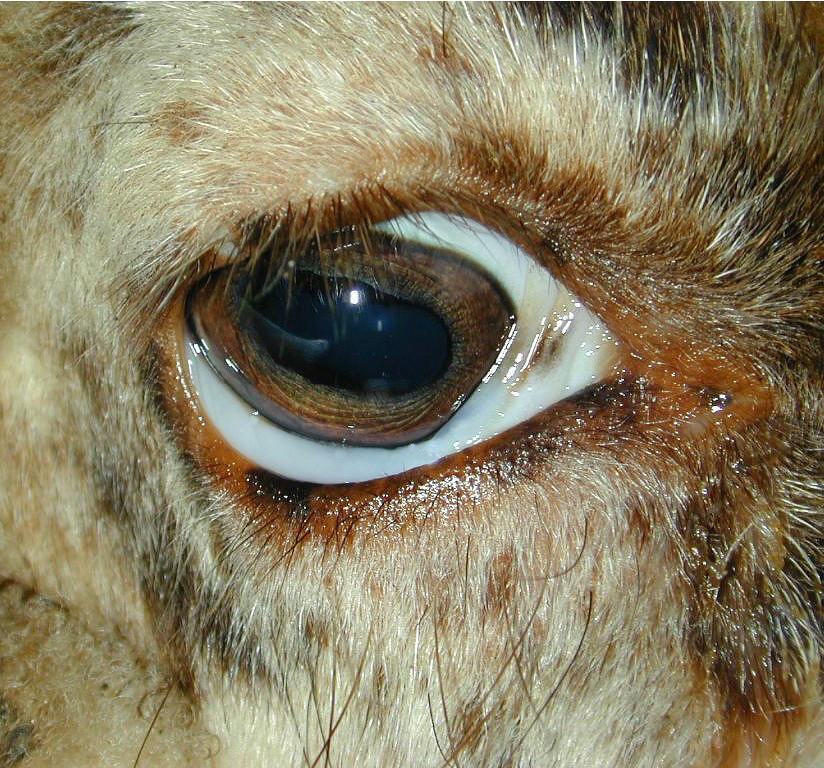
Healthy sheep eye
Life cycle of Barber’s Pole Worm and ideal conditions
The blood-sucking barber pole worm is a major killer of sheep and goats in warm, moist climates.
The life cycle of the barber's pole worm follows the same steps as other common sheep gutworms. However, in ideal conditions, this cycle can be completed in as little as 20 days, compared to the standard 28 days.
Summer and autumn seasons where average temperatures are around 18˚C and moisture is present favours the barbers pole life cycle. As the eggs and infective larvae can also withstand drought better than other worm species inside feacal pats, once moisture is present, they emerge in large numbers and outbreaks often occur when rain breaks a drought period.
Adult worms can lay up to 10,000 eggs per day, compared to the 200-500 eggs laid by other worm species.
This rapid life cycle and high reproductive rate mean that sheep can become severely affected by reinfection within the interval between standard drenches.
When conditions favour this rapid increase, a drench with persistent activity may be required.
Treatment Options for Barber’s Pole Worm
All VETEMD sheep drenches will target Barber’s Pole but only the following provide persistent activity to protect sheep between drenches.
1. Moxidectin
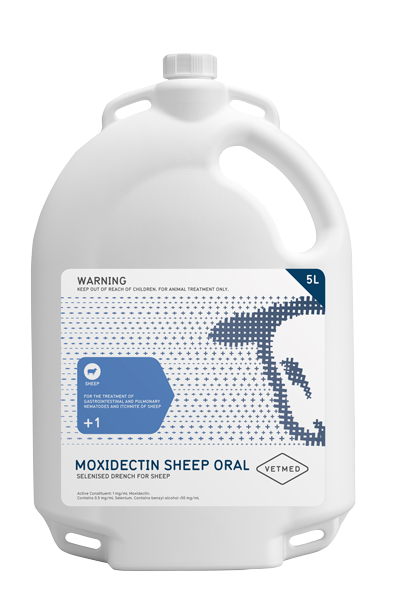
Provides up to 35 days protection against barbers pole and is best suited to lambs as it has a short meat withholding period of 10 days.
2. Closantel
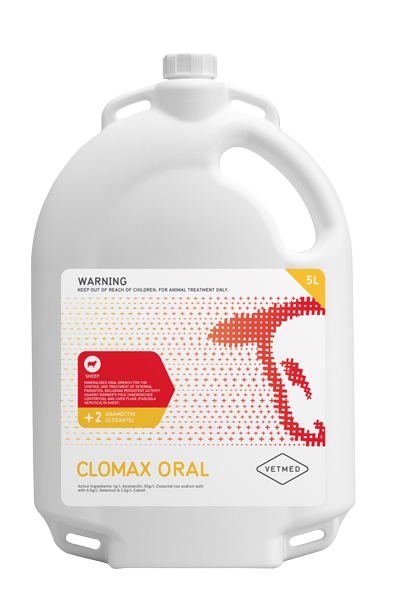
In combination with abamectin provides upto 42 days protection against barbers pole is best suited to capital stock given the longer meat withholding period.