How to calibrate and set up a drench gun
What you need:
- Drench (it is important to use drench and not water to calibrate your gun)
- A reliable measuring cylinder
- Drench gun and drench pack
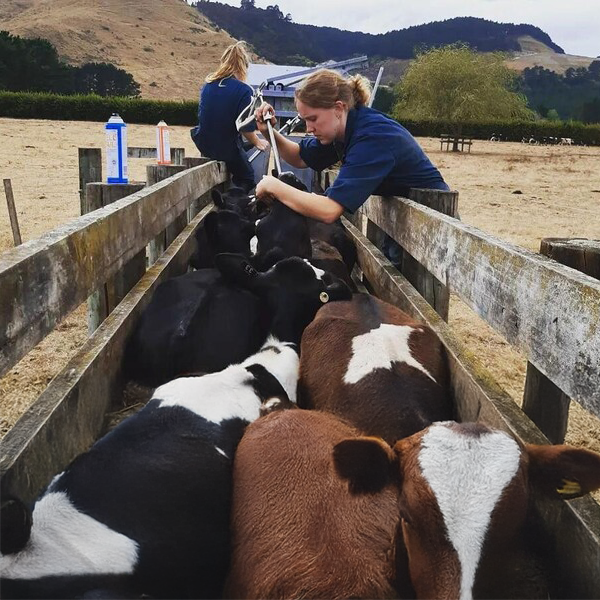
How to calibrate a drench gun – your step by step guide:
- Set your drench gun and pack up, ensuring no kinks in the tubing and no leaks.
- Ensure you have the correct nozzle attached for the stock class you are treating (i.e ewe nozzle vs lamb nozzle) and that it is facing the correct way (i.e. relevant to whether you are right or left-handed).
- Check the nozzle of the gun to ensure no abrasions or damage that could injure the mouths of stock.
- Block the end of the nozzle with your thumb and try to squeeze the handle of your gun. It should not squeeze. If the handle is easily depressed there is likely a leak in your back flow valve - which can affect the accuracy of your dosing.
- Set your selected dose (always to the heaviest animal)
- Squirt 10 doses into your measuring cylinder
- Does it sit at 10 x your selected dose rate?
- If yes you are ready to get drenching!
- If no – tweak your setting until 10 squirts is accurately reading 10 x your required dose rate.
The importance of calibrating your drench gun:
Calibrating drench guns is a simple, cost-free step that ensures your stock are receiving the correct dosage of treatment, maximising effectiveness, and minimising waste.
Regular calibration helps avoid underdosing, which can lead to ineffective treatment and resistance, and overdosing, which risks toxicity and unnecessary expense.
Since you've already invested in quality drench, it's essential to use it properly with a well-calibrated gun.