
Drenching calves best practice
There's nothing quite like watching calves hit the paddock for the first time, stretching their legs and racing around, and all you calf rearers out there deserve a big pat on the back for getting them to this point.
But don't relax just yet – the adventure continues!
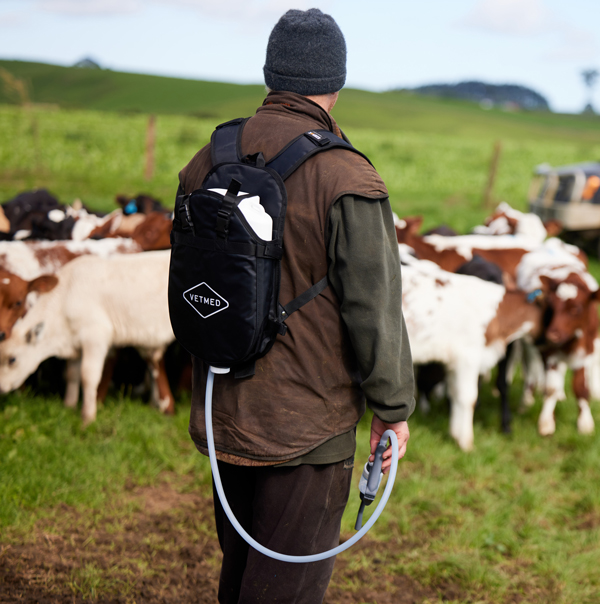
Raising healthy young stock is key to their lifelong performance in the dairy herd, and parasites are common culprits behind poor growth rates in young cattle if not kept in check. So, it’s super important to get your calf drench program rolling and keep those calves thriving!
Calves typically need to be on pasture for a minimum of 4 weeks before a drench is warranted.
By giving an effective drench at the right time, not only is a calf’s worm burden knocked down, but the egg output is halted, lowering pasture contamination, and reducing future worm larval intake.
When deciding on your calves’ first drench, there are a couple factors that need to be considered:
Calves under 100kg are susceptible to abamectin toxicity, so ensure you choose a drench safe for their weight range.
When drenching cattle under 12 months old, Levamisole is an essential component in drench to target Cooperia.
A great safe and effective first drench choice for calves is Vetmed Combomax – a Levamisole/Oxfendazole combination oral drench mineralised with zinc, selenium and cobalt and given at 1mL per 10kg.
As with all drenching, remember to weigh a sample of the mob beforehand, calibrate your drench guns and always drench to the heaviest animal.
If there is a wide weight range, it pays to draft off lighter calves to drench to their weight as the Levamisole component of calf drenches can be toxic at high rates (2-3X overdose).
When calf mobs weigh over 100kg we recommend switching to a triple combination oral drench that still contains levamisole such as Vetmed Triplemax, as drench resistance is typically slower to develop to triple combinations.
As the efficacy of cattle drench becomes increasingly threatened by resistance, it is important to consider the other components of a parasite management plan other than drench alone:
Blocks grazing only young stock are at high risk. Incorporating older cattle or sheep to “clean up” the worm burden takes pressure off drench being the sole parasite management tool.
Other methods for reducing worm intake include the use of crops and maintaining young cattle on high grazing residuals - to avoid them eating down into where the higher number of infective worm larvae are present. Well-fed calves develop a stronger immune system earlier and can cope with a worm burden more effectively.
Ensuring a minimum of 28 days between drenches is important, to give time in the worm life cycle for a population of “undrenched worms” to be present for refugia.
Taking a 10-day post drench faecal egg count (FEC) helps to monitor the effectiveness of the drench you are using. FECs can also be used to guide drenching decisions when pushing drench intervals out past 28 days.
With a combination of good management and an effective drench programme, you can reduce your risk of resistance and set your calves up to thrive. One day, they will contribute to the long-term success of your dairy operation.